

Road Trip Sanity: Montessori Tools to Keep Kids Engaged Without Screens
Long road trips with kids don’t have to mean endless screen time. Discover how one family turned long drives into meaningful, tech-free connection—and how you can too.
Long road trips with kids don’t have to mean endless screen time. Discover how one family turned long drives into meaningful, tech-free connection—and how you can too.

In a world where young people are constantly targeted by algorithms, surrounded by misinformation, and often dismissed as passive consumers, learning to be a critical, confident creator isn’t just a nice-to-have—it’s essential.
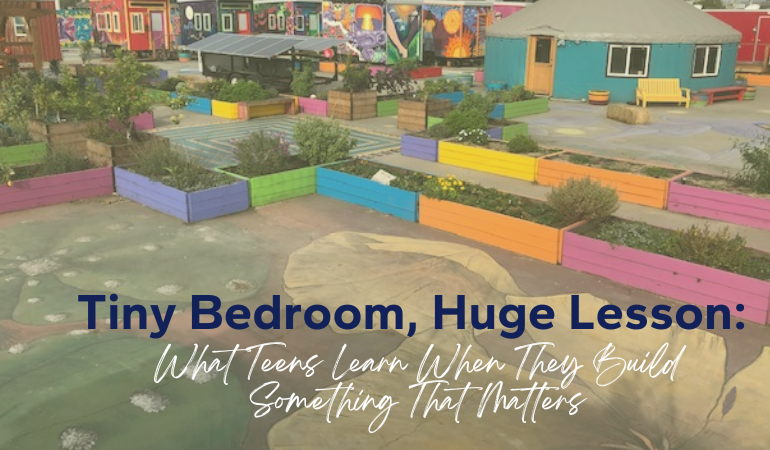
Over three years, dozens of teens built a tiny home for a young person in need. What they gained in return can’t be measured in square feet.

At a time when adolescence is often framed in terms of anxiety and risk, what happens when young people are invited to explore this critical stage of life with curiosity and compassion?
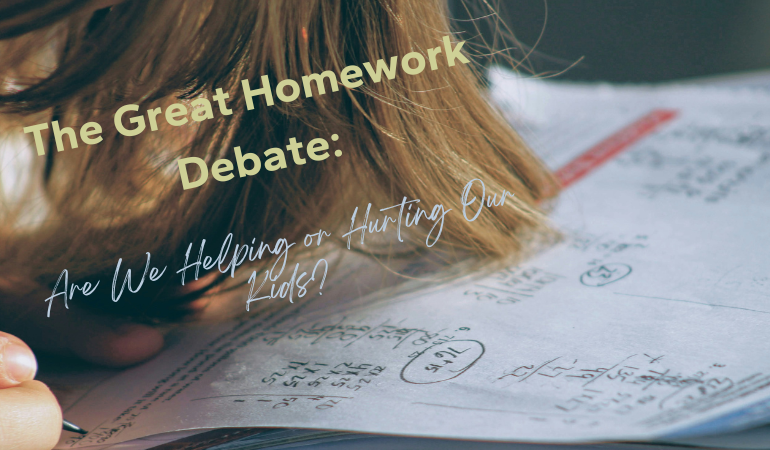
What if homework isn’t helping? In an era of burnout, anxiety, and endless after-school worksheets, many families are asking a crucial question: Does more homework actually lead to deeper learning—or just more stress?
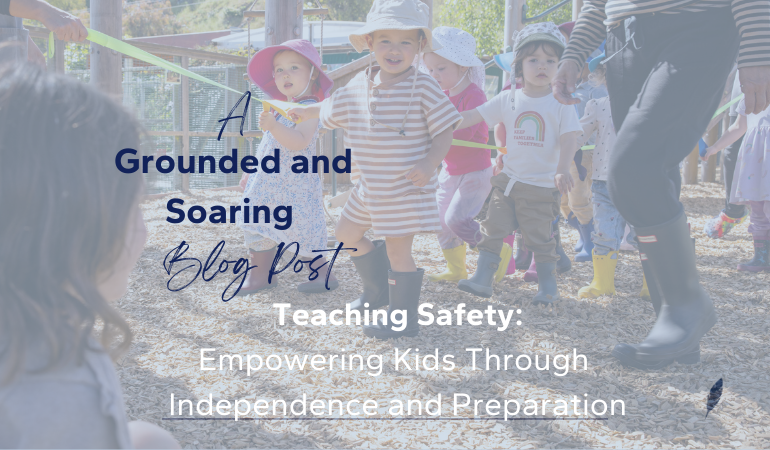
In December, our community faced an unexpected challenge when a 7.0 magnitude earthquake triggered tsunami warnings. Amid the uncertainty, our students and staff exemplified calm and resilience, turning a potential crisis into a testament to our Montessori principles. This experience underscores the importance of fostering a culture of trust, preparation, and independence. To further support our community, we’ve developed Montessori-aligned safety tips tailored to each developmental stage, empowering children to navigate challenges with confidence.
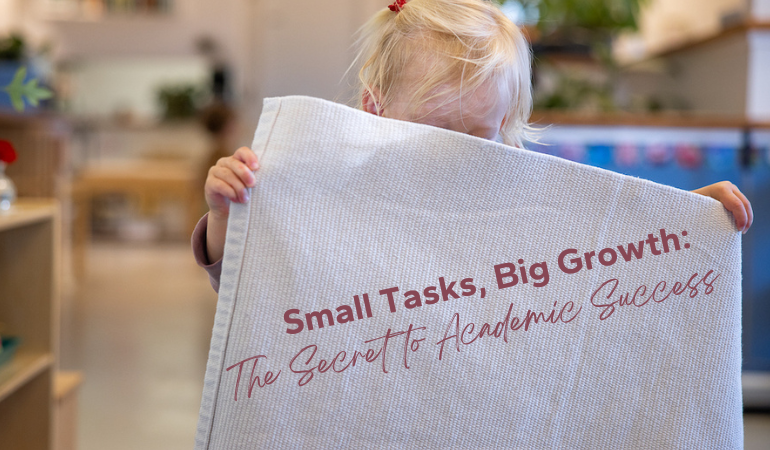
In Montessori, simple activities like folding a cloth are more than just tasks—they’re the building blocks for a child’s future academic and personal success. These moments teach concentration, resilience, and problem-solving, laying the groundwork for skills like advanced mathematics and critical thinking.
In a polarized world, teaching kids empathy and courage is vital. Drawing on Rosa Parks and Maria Montessori, we model integrity and respect to guide the next generation toward peace and understanding.
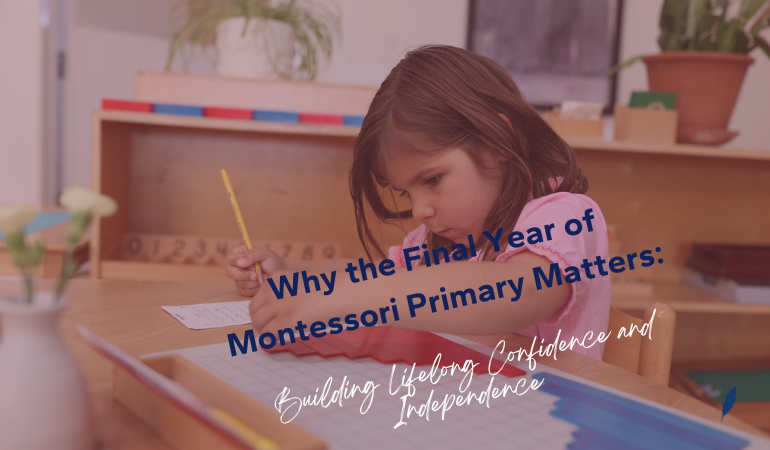
The three-year cycle of the Primary classroom culminates in what is often referred to as the kindergarten year. This final year is transformative. It’s a time when children apply the foundational skills they’ve been building since they were toddlers, step into leadership roles among their peers, and fully embrace the joy of learning independently.
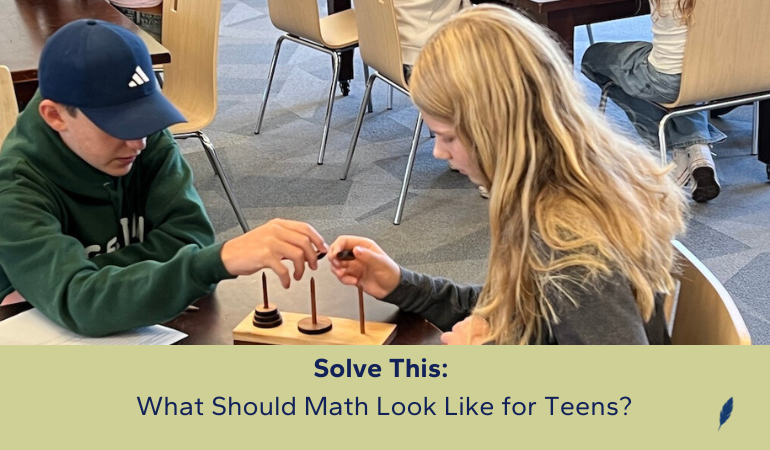
Learning algebra (and higher math generally) can feel as inevitable, and perhaps as dreaded, as death and taxes. Recalling your own experiences, you may wonder: How will my child endure this crucible? Will they be Okay? Or will this experience crush their spirits?